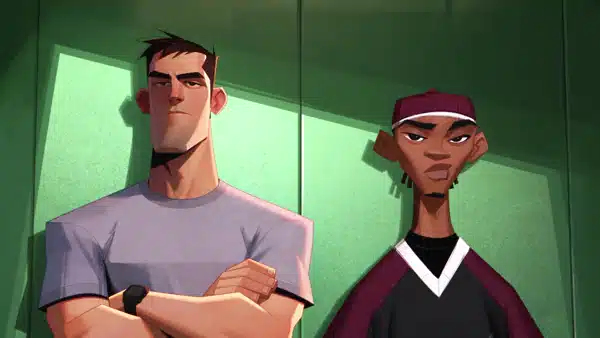
STYLE PREFIX Hand-drawn graphic 2D animated dialogue, matching the…
About this creation
Prompt
STYLE PREFIX Hand-drawn graphic 2D animated dialogue, matching the supplied elevator artwork and the two character sheets. Original 2D animated-film visual development in a sculptural graphic street style. Confident variable-weight ink contours and strong graphic silhouettes. Angular and rounded masses work together. Crisp painted shadow boundaries combine with softly modeled airbrushed color gradients inside the drawn forms. Fine stippled pigment grain lives within the gradients while the outlines remain clear. Broad light shapes and restrained reflected color give every material its own character. Rich midtones, deep colored shadows, clear highlights and selected vivid accents balance against quieter colors. Lively, self-assured, streetwise animated-film energy. TRUE 12fps ON TWOS: each character pose held two frames then snapping to the next. NO smooth interpolation, NO motion blur, NO morphing, NO AI-glide — real frame-by-frame motion. Gentle controlled line-boil; facial identity, body proportions, clothes and elevator geometry stay stable. Preserve the modeled gradients inside graphic shapes, not a moving oil painting and not a 3D render. MOTION SEPARATION: faces, hair, fabric and body poses animate ON TWOS with distinct anticipation, short readable pose holds and delayed overlapping recovery. The elevator travels as one rigid enclosure. From the first frame, low mechanical vibration passes through its structure into supported shoulders, necks and loose fabric; the head and fabric respond slightly after the torso. The viewpoint shares a very small irregular cabin vibration while preserving its position, angle and framing. This is a continuing ride beneath the conversation, with changes in vibration strength rather than a separate impact. 参考图与身份 图1只提供绿色电梯的墙板、金属扶手、绘画质感与顶灯;机位和人物位置严格采用下文的新构图,入口光束与空电梯的低机位不继承。 图2只提供Sean的脸、原有头身比例、灰色T恤、深蓝牛仔裤与左手腕手表;他的头发是图2中的深栗棕色,整体接近黑色,尖簇发型与深色发根保持一致,亮部只是少量深暖棕色。 图3只提供Twinkie的脸、肤色、瘦长比例、红帽白边、辫子与黑色酒红球衣;两张角色表各代表一个人,场景里始终只有这两人。 两位角色的英语台词、声音、性格与停顿全部由本提示词生成;三个图像分别锁定环境、Sean、Twinkie,角色表的分栏与白底不进入画面。 空间与唯一机位 一个完整连续的11秒双人镜头。两人已经靠在电梯后墙上休息,背部和肩胛明显由墙承重,骨盆稍向前、膝盖松开;Sean在左侧而且较高,Twinkie在右侧,他们的胸口主要朝向门的方向。 镜头位于电梯内部,距离两人脸部所在平面约一米,高约一米四,接近正面、只略微向上看;使用宽视角,从近处同时容纳两人,效果接近24mm广角的近距离双人构图。 画面下缘裁在胸口以下、上腹部附近,Sean交叉的前臂仍可读,头顶留很少空间;两张脸大而清楚,外侧肩膀接近左右边缘,后墙的竖向接缝直接贴在肩背之后,侧墙只在边缘形成窄条。 顶灯在画面上方之外照亮两人,后墙占据主要背景;机位、焦距与构图持续到底,只允许下文规定的极轻微乘梯震动,不切镜、不变焦,不把人物拉远成展示全身的角色表。 电梯持续运行 — 从第一帧就存在 第一帧已经在行驶中的电梯里,低沉电机声和金属结构传来的细小震动贯穿整段;镜头视点随车厢出现幅度不到画面高度百分之一的短促、不规则微振,每次迅速收住,构图中心保持原位。 后墙、扶手和光源保持同一个刚性整体,人物的背部与肩胛保持贴墙承重;震动传到身体时肩膀只做几毫米的细小受力调整,脖子与头晚一拍、衣领袖口和辫子再晚一点跟随,局部动作彼此有因果联系。 Sean交叉前臂的压力随运行轻微改变,Twinkie松垮的肩膀更容易吸收震动;他们习惯性地维持平衡,嘴和眼睛继续对话,身体不会因为开始说话就停止感受电梯。 运行中的细小力度变化分布在整段里,声音、视点和身体共享同一个机械原因;保持轻而持续的乘梯质感,不设置独立的撞击时刻,不做有节拍的上下弹跳,也不让身体离开后墙漂浮。 身体的日常状态与视线 Sean双臂松松交叉,左腕的表保持原位,左肩胛靠住墙;Twinkie双手自然放低,肩膀松垮,后背也靠墙,胸口始终保留朝门的方向。 他们平常看前方画外的门,只有听到值得回应的词才用余光或小幅转头寻找朋友;每次互看都有一个原因和结束点,随后可以看回前方。 目光先走,头部略晚跟随;对话改变的是身体里的注意力,躯干不为了每句台词转向对方。角色在等待电梯到达,并不是站着表演给观众。 0–2秒 — Sean随口试探 第一帧两人已靠着后墙,Sean看着前方的门,低声问 {“Can he drive?”},仅在“drive”尾部用眼角瞥向Twinkie。 Twinkie先把眼珠向Sean移动,上眼皮稍抬,头仍留在原来的朝前角度;这个无声的“你认真的?”反应先于回答,Sean的嘴已经闭合。 保留约半秒真实接收问题的时间;持续的电机声、视点微振和肩颈细小受力从开头已经在发生,衣领与袖口略晚跟随,让这段沉默仍然处于运行中的电梯里。 2–5秒 — Twinkie把问题还给他 Twinkie先侧眼看Sean,反问 {“Can he drive?”},把疑问重音落在“drive”上;尾音落下后留一个短眼神,像在衡量朋友对这里到底知道多少。 他只再转头一点,问 {“You know what DK stands for?”},语气转为熟人间的轻巧考问,问完眼睛回到前方,把答案的位置留给Sean。 Sean听到“DK”时已经在嘴角藏住一点笑意,眼睛短暂向前移开,像是脑子里先出现了那个不正经的答案。 5–6秒 — Sean拿玩笑敷衍 Sean保持背靠墙与交叉手臂,几乎仍看着前方,用平淡到像真的在猜的声音说 {“Donkey Kong?”}。 尾字才丢给Twinkie一个短侧眼,一侧嘴角抬起;Twinkie没有立即接话,只把眼睛转过去、上眼皮压低一点。 这一次短暂的沉默就是笑点,动作停在清楚的绘画姿势里,电梯的运行声填住空隙。 6–8秒 — Twinkie让玩笑落空,再给答案 Twinkie把那个不接笑话的侧眼留住一小会儿,然后看回前方,用低调、笃定的声音说 {“Drift King.”};先有判断,再有回答,不把重音表演成大幅点头。 电梯仍以先前建立的细小运行震动继续行驶,这里没有新撞击;Twinkie松着肩背吸收细微变化,Sean的前臂比他稍紧,头和衣服分别带一点延迟。 Sean听到答案,原来的歪笑开始退掉,眼睛先向下转一下消化这个词;这次变化由朋友的话引起,身体的乘梯状态继续留在背景里。 8–11秒 — Sean真的不懂 Sean低声复述 {“Drift?”},眼睛短暂落在前方偏下的位置,眉间轻轻收拢,留约半秒去理解刚才的答案。 随后他才把头转向Twinkie,交叉手臂稍放松但仍留在胸前,问 {“What do you mean, drift?”};这次是认真找答案,声音的尾部向朋友敞开。 Twinkie先用余光察觉Sean这次是真问,然后把眼睛迎过去,嘴角出现一点克制的领会;在完整问句后的这个接收反应上结束,仍是两人共同在画面的同一个镜头。 ACTING TASK — SEAN EVENT (scene, unplayed): a casual question and a throwaway joke expose something he actually needs explained. SCENE DIRECTION: preserve his relaxed self-possession while letting the final question become honest. MOTIVE: find his bearings in this unfamiliar scene without surrendering his casual confidence. GOAL: get useful information from Twinkie while staying on equal footing. OBSTACLE: his friend gives him a title instead of the concrete explanation he needs. TACTIC: ask sideways, hide behind a deadpan joke, then abandon the joke and seek the missing meaning. Moment to moment: first question mostly toward the doors, eyes flick to Twinkie at its end; the DK question plants an idea, and he looks forward to conceal the coming joke; “Donkey Kong?” is offered almost away from his friend, with a last-word side glance to check whether it lands. His crossed forearms make small pressure adjustments as the ride vibration reaches his supported shoulders. “Drift?” drops the smile and sends his eyes down to think; only the final question earns a clear head turn toward Twinkie. (Safety: gaze alternates meaningfully between the doors, one short joke-check glance, the lowered thinking point and Twinkie's face. Blinks follow a change of thought; eye contact begins and ends with a purpose. His shoulder remains supported by the rear wall.) ACTING TASK — TWINKIE EVENT (scene, unplayed): he discovers that Sean's joke masks a real gap in local knowledge. SCENE DIRECTION: let his familiarity with the place make him economical, observant and a little amused. MOTIVE: bring Sean up to speed without delivering a lecture. GOAL: make Sean appreciate what DK's reputation means. OBSTACLE: Sean deflects the title with a joke, then reveals that even the explanation is unfamiliar. TACTIC: test whether the question is serious, quiz him, let the joke hang, then supply the answer with quiet certainty. Moment to moment: eyes respond before his head to “Can he drive?”; the repeat has a short assessing silence after it. He looks forward again after the DK question rather than holding a permanent stare. The joke gets a restrained sideways eyelid change and a closed mouth. He habitually absorbs the continuing ride through relaxed shoulders and drops “Drift King” while facing mostly forward. Sean's final sincere question finally draws his eyes back, with the faint realization that more explanation is needed. (Safety: listening can be read while he faces the doors; his eyes and relaxed mouth react without continuous head turns. Cap and braids show slight delayed follow-through after the small ride-induced body adjustments. The final eye contact answers Sean's real request rather than anticipating every line.) ANIMATION PERFORMANCE Use anticipation, clear pose changes, brief expressive holds and overlapping recovery as distinct tools. An eye shift prepares a head turn; a chin settles after speech; the continuing ride travels through supported shoulders, head and loose cloth in that order. Keep the joke's held look readable while tiny physical adjustments continue beneath it. Gentle line-boil stays on the drawn surface, while anatomy and recognizable proportions remain stable. The humor comes from a dry joke left hanging, an unimpressed sideways glance and Sean's eventual honest question; the elevator remains a physical situation throughout. AUDIO Generate native synchronized English speech, two male voices and exactly these seven lines: Sean {“Can he drive?”} Twinkie {“Can he drive?”} Twinkie {“You know what DK stands for?”} Sean {“Donkey Kong?”} Twinkie {“Drift King.”} Sean {“Drift?”} Sean {“What do you mean, drift?”} SEAN: a mid-low voice with relaxed chest resonance, a lightly rough edge and subtle Southern American coloring. Start casual and economical, deliver the joke deadpan, then slow the thought before the final question. The last question is open curiosity rather than a challenge. TWINKIE: a slightly brighter mid-register voice with clear consonants and an easy conversational rhythm. The repeated question carries mild disbelief, the DK question lightly quizzes Sean, and “Drift King” is quiet certainty. Let the assessing silences distinguish his delivery from a fast recitation. Speak at an ordinary intelligible pace within eleven seconds. Preserve the short reaction after the first question, the unanswered joke beat, and the thinking breath after “Drift?”; these silences contain visible choices. Words never overlap and the final sentence finishes in full before the clip ends. PRONUNCIATION — delivery instruction, not additional speech: pronounce “Donkey Kong?” as “DON-kee KONG”, ending Kong with the nasal ng as in “song”. Finish the word there, without an added vowel or syllable. Keep the final ng audible and the question dry and casual; speak only the two written words. A low continuous elevator motor, softly resonant structural vibration and ventilation are already audible at the first frame and continue under every line and pause. The motor tone and faint metallic rattle vary subtly with load, linked to the small viewpoint and body vibration, with occasional quiet clothing friction against the wall. Keep this a cohesive running mechanism, not a separate isolated thud. Voices have a short enclosed-cabin reflection and remain clear above the mechanism. Dialogue and cabin sounds only; no music, narration, additional words or captions. LIGHT / COLOR The overhead ivory fixture is above the crop and supplies a restrained downward pool onto foreheads, shoulders and the green panels. Deep green wall shadows and dark colored folds support the intimate cabin, with distinct natural skin tones and the red cap as a contained accent. Sean's hair is the dark chestnut, nearly black mass of image 2 throughout, with only small subdued brown highlights on individual planes. Keep its dark roots, silhouette and overall value even under the ceiling light. Preserve the established variable-weight contours, fine pigment grain and softly modeled gradients inside crisp painted shadow shapes. Light and wall panel colors remain stable as the rigid cabin travels. POSITIVE LOCKS Exactly three image references: green elevator, Sean sheet, Twinkie sheet. They govern their assigned environment and identities; mixed faces, cloned people or sheet layout = failed take. Sean's dark chestnut, nearly black hair matches image 2 throughout. Lightened overall hair color or a redesigned hairstyle = failed take. Both lean with their backs and shoulder blades supported by the same rear wall, Sean left and taller, Twinkie right. Upright freestanding presentation poses or a visible deep gap behind their shoulders = failed take. One close wide-angle two-shot, approximately one metre from the face plane, cropped near the upper abdomen with little headroom and large readable faces. Distant waist-up framing, dominant ceiling, a cut, zoom or camera repositioning = failed take. Only the very small shared ride vibration is permitted. Their default gaze is toward the off-screen doors; a question, joke or genuine request causes each brief glance toward the partner. Unbroken mutual staring, repetitive gaze loops or audience eye contact = failed take. Three thought beats are visible: Twinkie receives the first question, the joke waits for a response, Sean considers “drift” before asking. Continuous unmodulated recitation or empty frozen pauses = failed take. The ride is perceptible from the first frame and between every spoken turn: a continuous motor, tiny irregular viewpoint vibration and delayed shoulder/head/fabric responses share one mechanical cause. A motionless opening followed by one isolated impact, violent shaking or rhythmic bouncing = failed take. Both retain their supported wall contact while making small grounded adjustments; architecture stays rigid and framing stays constant. Floating bodies, detached backs, rubber anatomy or a warped background = failed take. Sean says exactly “Donkey Kong?” with the final nasal ng audible and no extra vowel or syllable. Changed wording or a three-syllable second word = failed take. Seven English lines with stable distinct voices and synchronized mouths, completed within eleven seconds. Extra speech, overlapping speakers or an unfinished final question = failed take. Faces and bodies animate ON TWOS with anticipation, expressive holds and delayed recovery; the graphic gradients and identity remain stable. Smooth tweening, plastic rendering or mere mouth animation on frozen figures = failed take. End on the final question and Twinkie's receiving look within the same two-shot. A generated doorway exit or new location = failed take.
- Model
- Seedance 2.5
- Quality
- 1080p
- Bitrate
- High
- Size
- 1920×1080
- Aspect ratio
- 16:9
- Created
- September 14, 2026 at 12:09 AM
Tokyo Drift
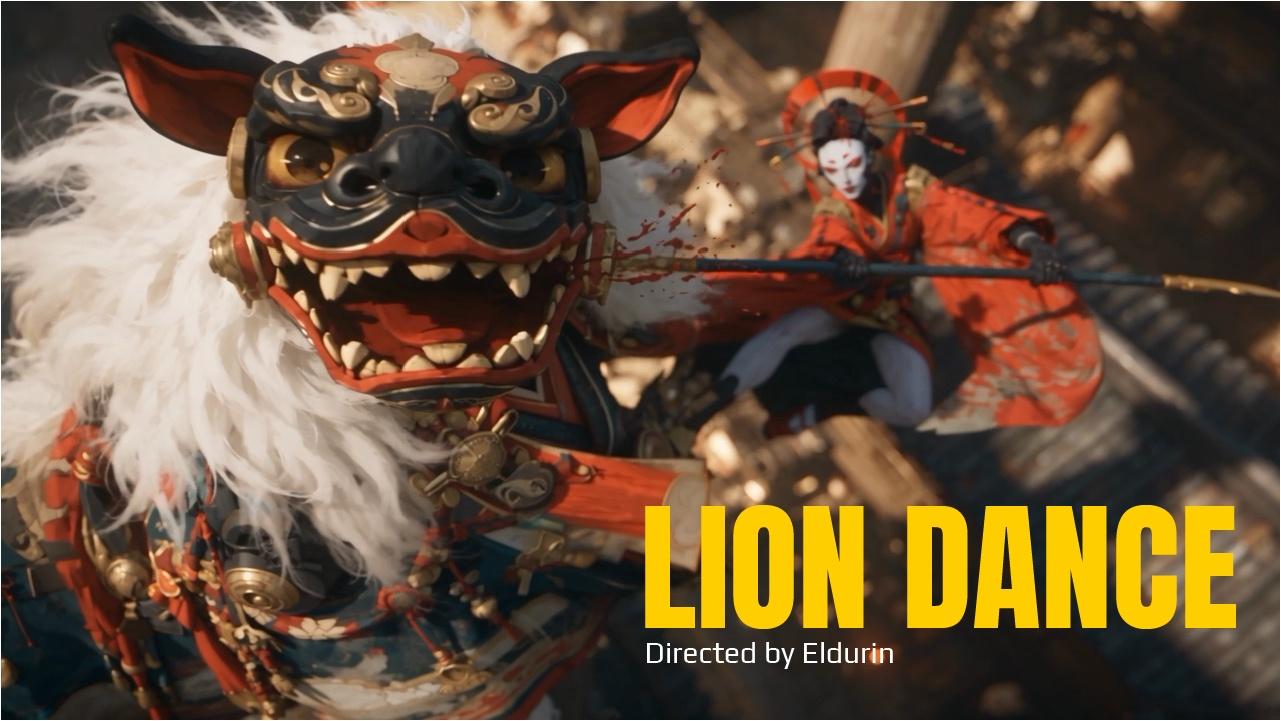
Geisha - Lion Dance
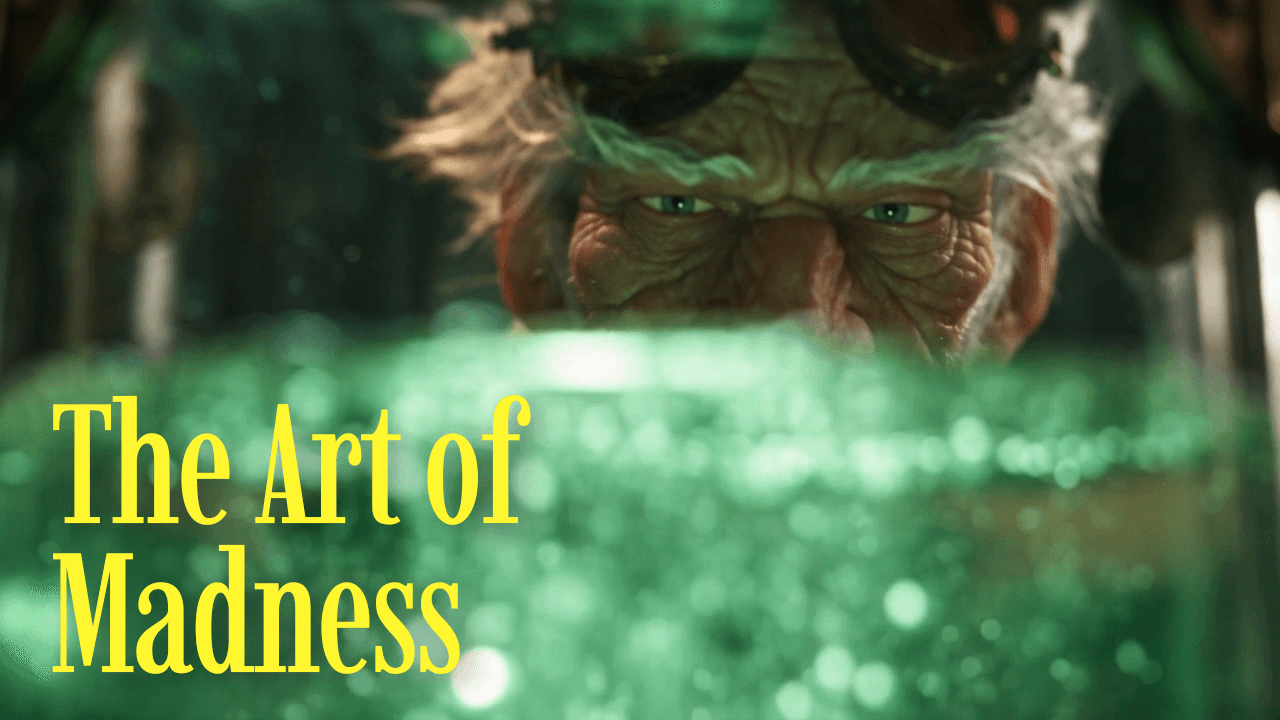
The Art of Madness
ROYAL CONFRONTATION 20-second cinematic animated sequence, 16:9,…
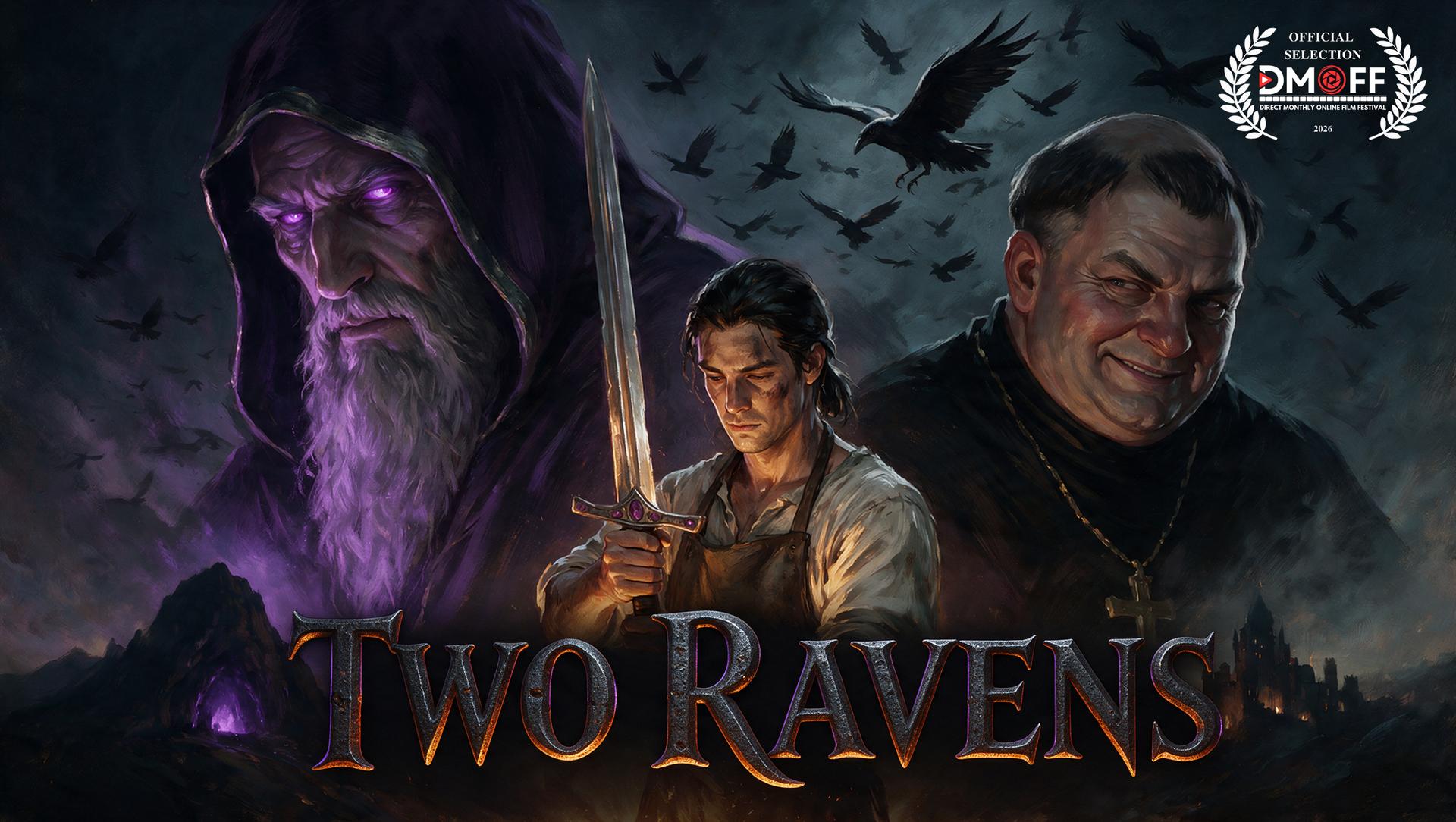
Two Ravens
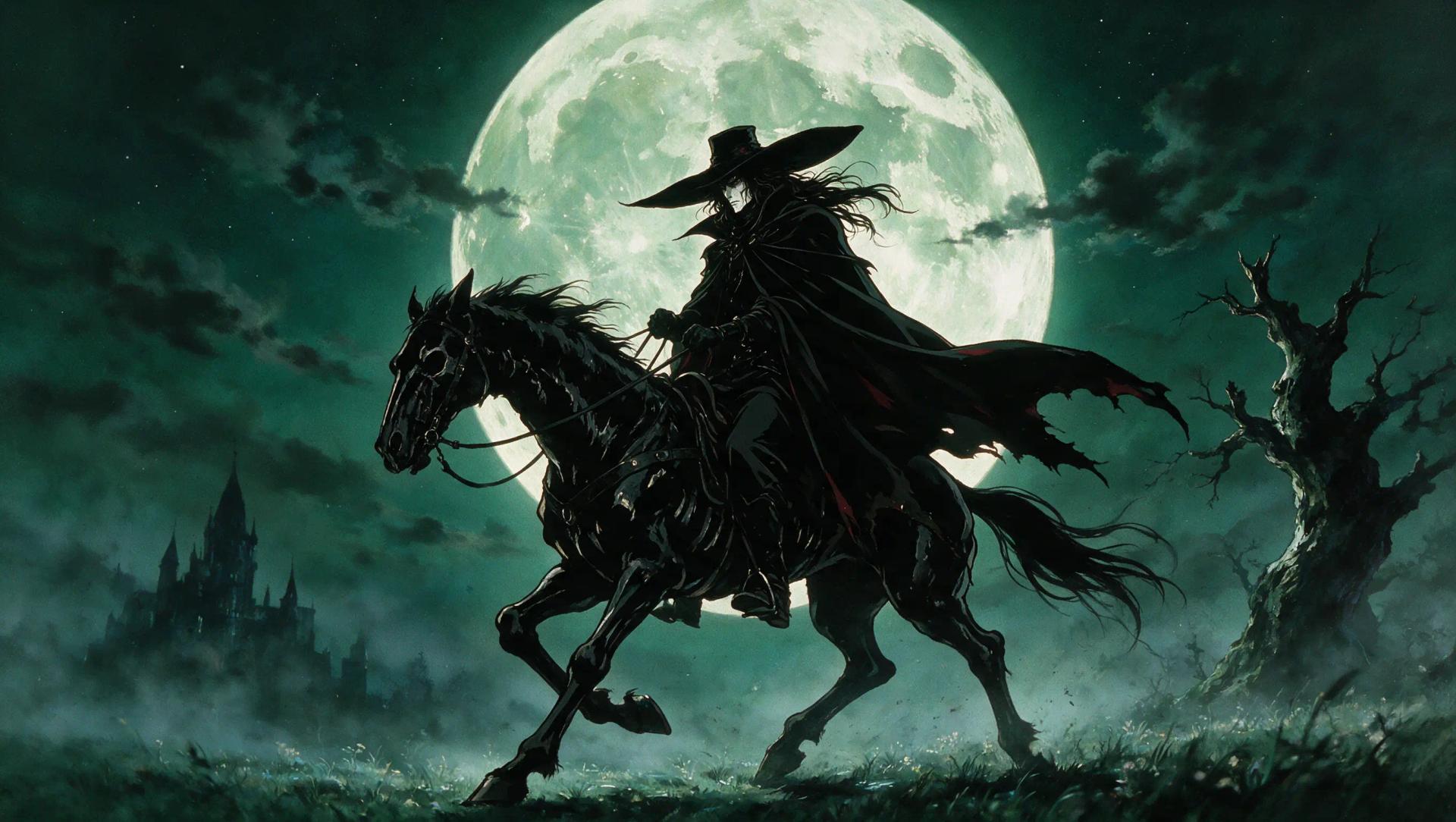
Hollowrider
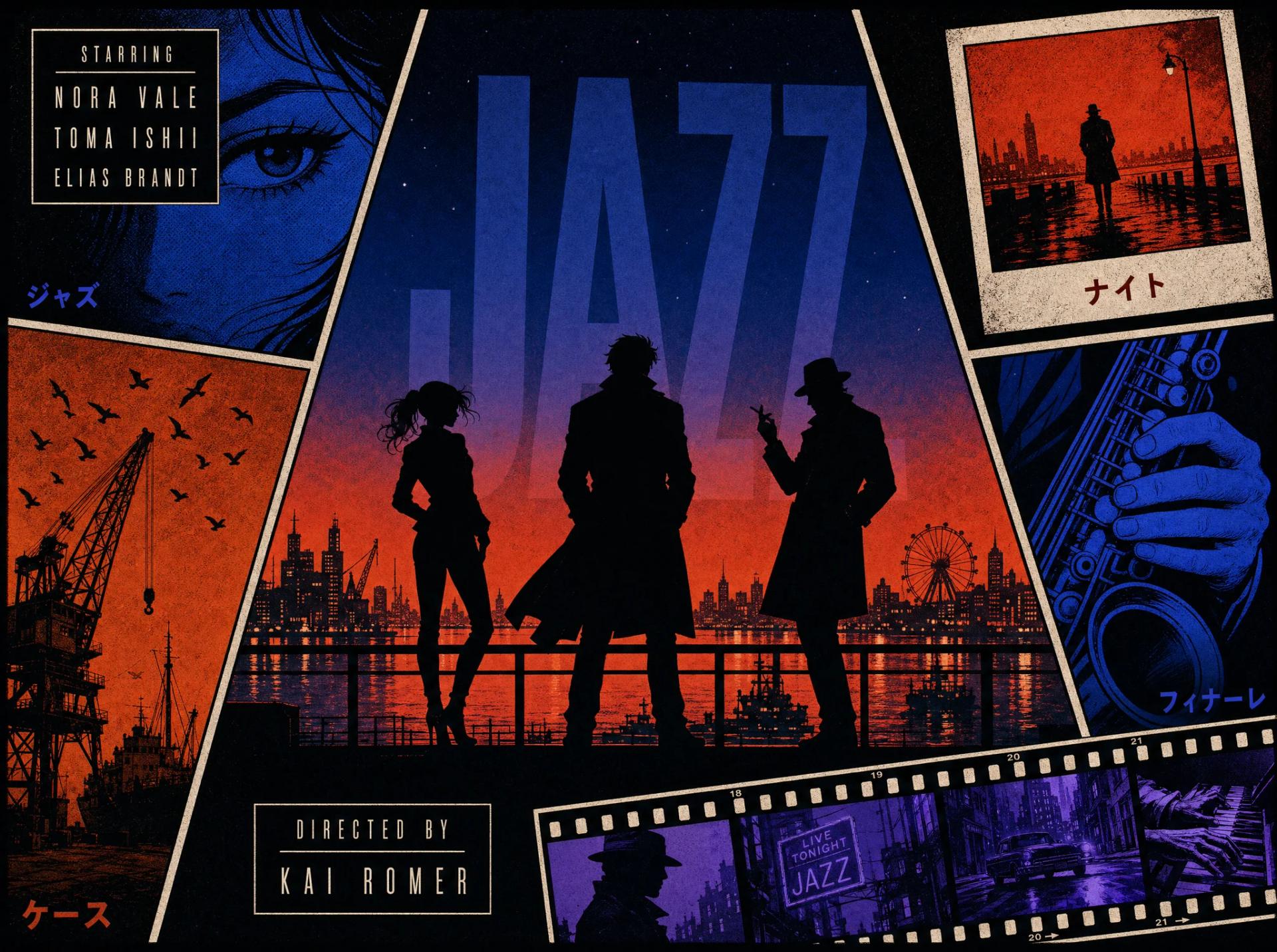
Retro Jazz
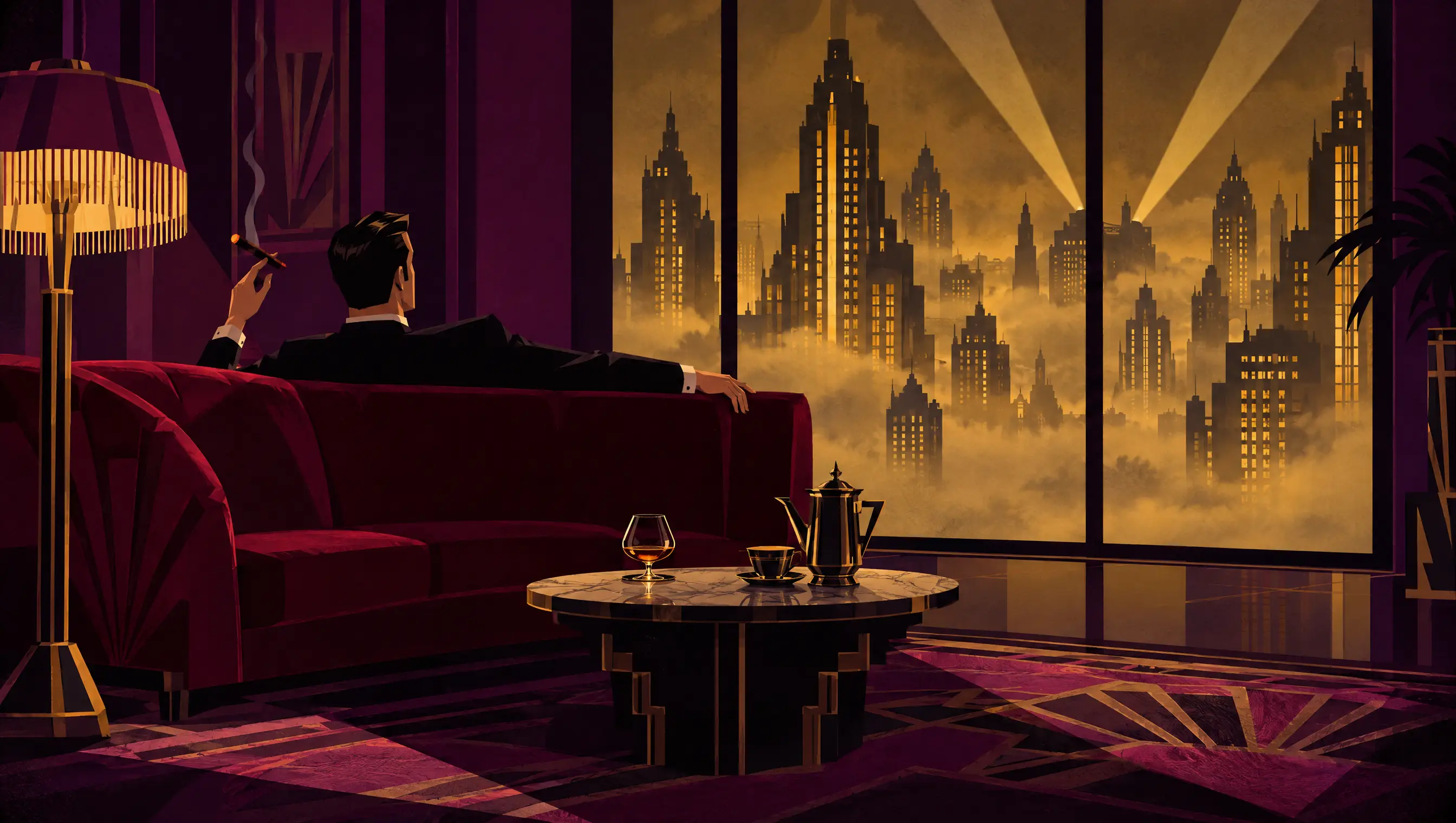
Dark Deco
STYLE PREFIX Hand-drawn graphic 2D animated action, matching the…
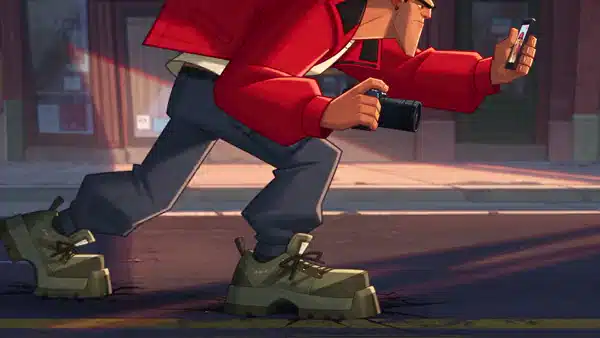
STYLE PREFIX Hand-drawn graphic 2D animated action matching the…
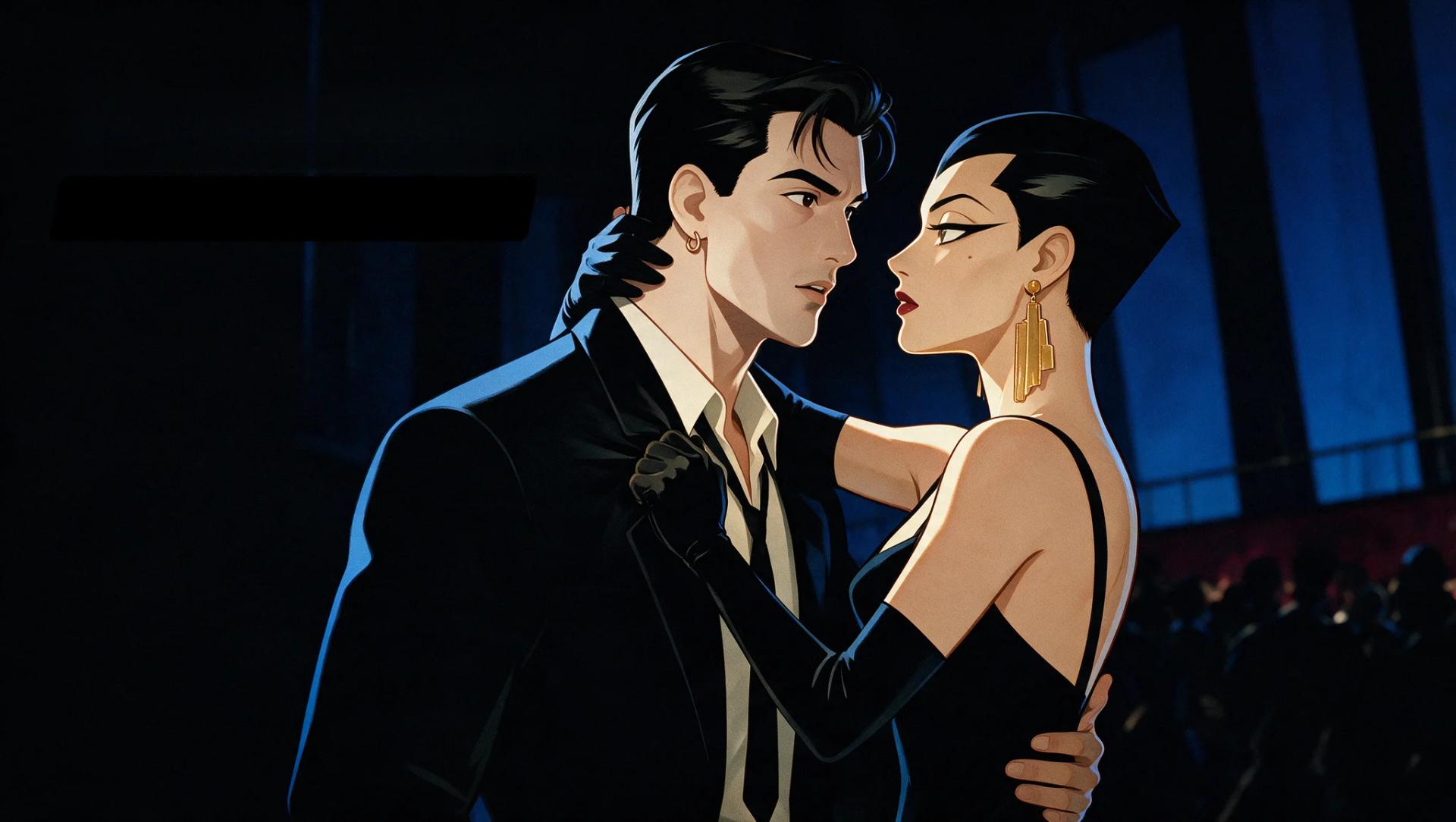
Art Deco Cinema Studio 4 Tribute
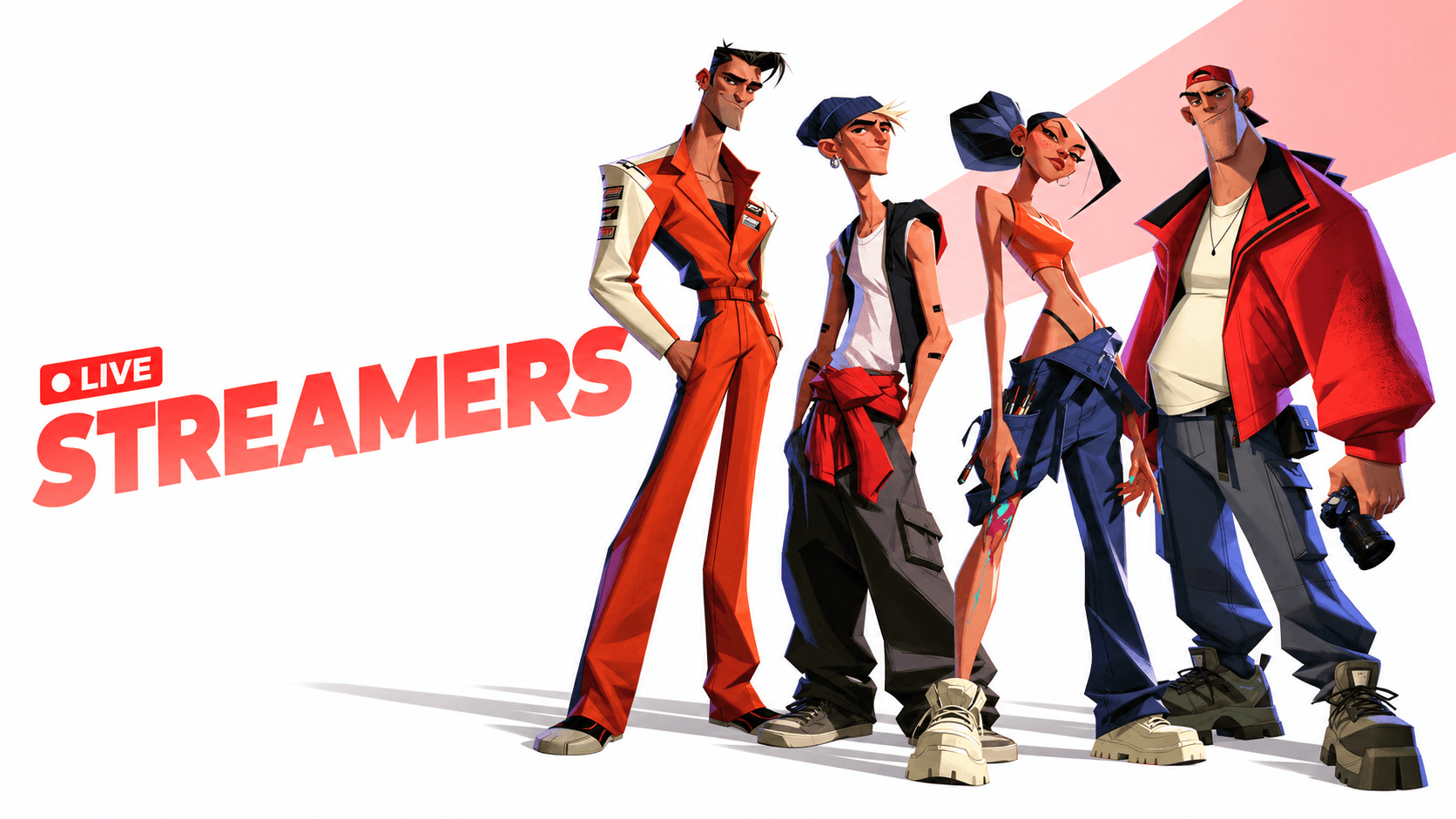
Live Streamers